
We Made Everything Convenient. Why Is Life Such a Hassle?
Apps promise an easier life. We compare three everyday shortcuts to see where the work goes, and how to decide which conveniences deserve your time.

You wanted lunch. The shortcut wants a download, a login and a relationship.
Somewhere between choosing a sandwich and remembering which email address you used, “convenience” acquired a surprisingly demanding onboarding process.
The irritating part is that digital shortcuts can be wonderful. Ordering ahead can rescue a lunch break. Grocery pickup can spare someone a painful walk through a store. Buying furniture from a sofa beats spending Saturday hunting for it.
So why can a day full of time-saving services feel like a day spent administering them?
Because a faster transaction and an easier life are different things.
The missing part of the sales pitch
TAJ previously explored the unpaid work of being a customer. This time, the question is more personal: which conveniences actually deserve space in your day?
To investigate, TAJ compared the published U.S. instructions for McDonald’s app ordering, IKEA app purchases and Walmart grocery substitutions on October 28. This was a comparison of documented procedures, not a hands-on speed test. Three questions guided it: What must you set up? What work remains each time? What happens when the plan changes?
The revealing difference was where the effort landed. One service front-loads it, another keeps purchase decisions with you, and another can require attention after checkout.
Lunch: the shortcut improves with repetition
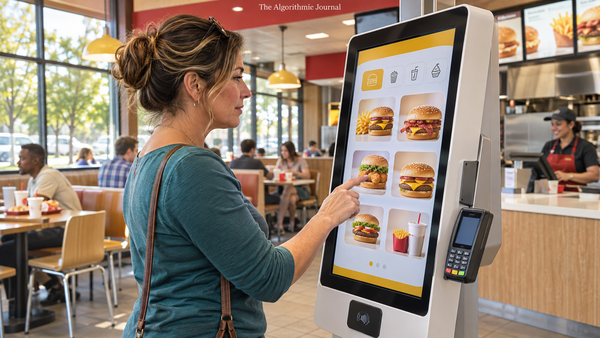
McDonald’s describes app ordering as a way to order ahead and avoid the line at participating restaurants. Its app route requires downloading and registering. Customers also need to check which restaurant they selected.
That can be a reasonable investment for someone who regularly buys the same lunch. Familiarity spreads the setup effort across repeated visits.
For a one-time stop while traveling, the calculation changes. Installing and learning a system may consume the very break you hoped to save.
The useful question is frequency: will you use this enough for the setup to pay you back? The instructions establish the steps, not how many minutes any particular customer saves.
Furniture: checkout is only part of the job
IKEA’s app instructions describe signing in, adding products, choosing delivery or pickup, reviewing personal information and paying. An alternate pickup person can be added if needed.
The app makes the purchase possible from wherever you are. It does not make the delivery-versus-pickup decision for you or coordinate the person collecting the order.
Here, convenience depends less on habitual use than on what the service replaces. A few minutes arranging a substantial furniture purchase may save a store visit. The same account-management effort for a minor purchase could feel disproportionate.
Judge the whole errand, including travel and physical effort. Counting taps alone misses the benefit.
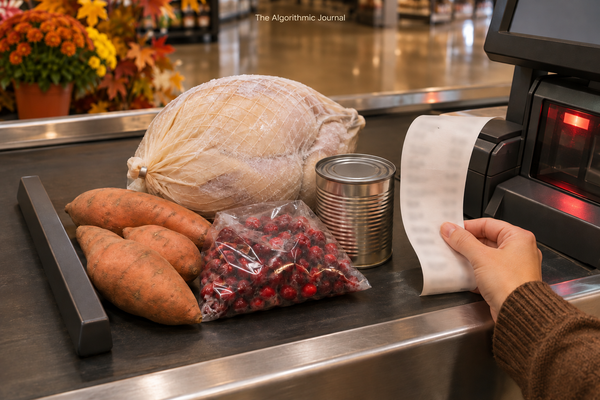
Groceries: checkout isn’t always the finish line
Walmart’s substitution instructions reveal a different trade-off. Customers can choose preferred replacements or specify items they do not want substituted before placing an order.
If Walmart offers a replacement by email, there is a limited response period. Its instructions say that without acceptance or refusal, the substitution goes ahead. An unwanted replacement can be declined at pickup; after delivery, the customer needs to start a return through purchase history.
For someone who can monitor the order, that flexibility may work well. For someone in meetings, driving or caring for another person, a time-sensitive decision is another demand on an occupied day.
Setting substitution preferences beforehand can reduce that burden. It cannot guarantee every item will arrive.
The audit’s lesson: a service can remove the shopping trip while leaving you responsible for exceptions. Whether that is a good bargain depends on your circumstances.
Keep the shortcuts that earn their keep
These examples suggest a more useful test than “Is there an app?”
Before adopting another shortcut, ask:
- What substantial task disappears?
- How often will I use it?
- What decisions or alerts remain my responsibility?
- Can I recover easily if something goes wrong?
Those questions distinguish worthwhile setup from an ongoing obligation. They also leave room for convenience that matters enormously to someone with limited mobility, a tight schedule or caregiving responsibilities.
Difficulty can sometimes be more than clumsy design. The FTC’s 2022 report on dark patterns documented practices that steer people’s choices, including obstructive cancellation paths. That does not make every login or awkward checkout manipulative. It does make the exit worth examining alongside the entrance.
Choose one recurring errand this week. Note the time spent preparing, ordering, monitoring and correcting it, then compare that with the realistic alternative. Include money, travel and physical effort. Use your own experience rather than a company’s promise.
TAJ’s unit-price tool can help with the price comparison. Your attention belongs in the calculation too.
A business may measure success when you complete the order.
You get to measure it when you can stop thinking about the order.
If its shortcut keeps handing you assignments, it owes you a better pitch.