Your Grocery Store Knows More About You Than You Think
That loyalty discount comes with a second transaction. Your grocery store may be building a detailed profile of what you buy, where you shop and which offers make you spend.
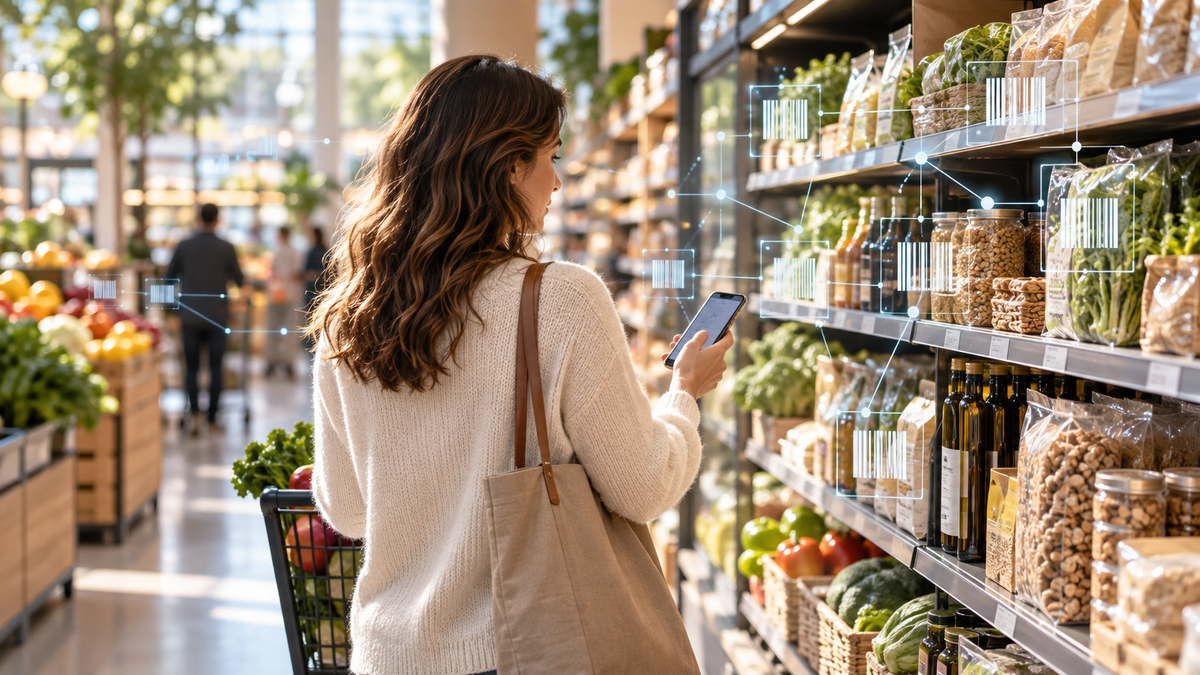
By Maya Chen | Future Tense
The coupon is not free. You may be paying with a map of your habits.
Scan a loyalty card, enter a phone number or clip a digital coupon, and the register does more than subtract a dollar from the price of coffee. It can connect that purchase to a continuing record of what you buy, when you shop, which store you visit and which deals persuade you to spend.
One purchase says almost nothing. A year of purchases can say plenty.
The store may learn that you have a baby, own a cat, avoid sugar, buy medicine regularly, prefer premium brands or wait for payday before making a large trip. Add information from an app, website or outside data provider, and the weekly grocery run begins to look less like a receipt and more like a biography.
The loyalty card is an identification card
Loyalty programs are sold as a simple trade: identify yourself and get the discount. The part few shoppers see is what happens after the transaction.
Kroger's current privacy notice, for example, says that using a Rewards number or alternate ID allows the company to associate purchase information with a person or household. The notice lists purchase history, coupons, savings, preferred store, browsing activity, advertising interactions, location data and inferences created from shopping history among the information it may collect or derive.
That does not mean a Kroger employee is personally studying your cereal choices. It means software can organize those choices into categories, predictions and marketing opportunities at a scale no human could manage.
Kroger is not the entire grocery industry, but it offers a revealing case study because so much of the machinery is described in its own policy.
A profile can be detailed and still be wrong
A 2025 Consumer Reports investigation examined data obtained by a Kroger shopper through an Oregon privacy request. The report said his profile included estimates about income, education and gender that were substantially wrong. It also indicated that information connected with the profile may have been shared with more than 50 companies.
This is the unsettling part of consumer profiling: accuracy is not required for a profile to affect how a company sees you.
An algorithm can place you in a category based on incomplete signals. That category may help determine which ad appears, which coupon arrives or which offer never reaches you. You may never know the category exists, much less get a clean opportunity to correct it.
Does this change the price you pay?
Possibly, but the honest answer requires precision.
The Federal Trade Commission found that pricing intermediaries can use shopping behavior, location, time, sales channel and other consumer data to shape individualized prices or promotions. Those firms served at least 250 clients across industries that included grocery retail.
That finding does not prove that every supermarket secretly assigns every shopper a different price. The FTC's public examples were hypothetical, and Kroger has said it personalizes discounts rather than the underlying price of a product.
The distinction matters, but it may not feel very comforting. If two shoppers receive different discounts, their final costs can still differ.
For a closer look at that issue, read TAJ's explainer, The Same Cart. A Different Price.
How to keep the savings without surrendering everything
You do not need to throw away every loyalty card and start buying groceries in a fake mustache. Grocery budgets are tight, and some stores reserve meaningful discounts for members.
You can make the trade more deliberate.
First, check the grocery app's permissions. If the app does not need your precise location to do what you want, turn that access off. The FTC warns that shopping apps may collect location and purchase information, and some stores use Bluetooth signals to follow app users as they move through a store.
Second, review the privacy and advertising choices inside your account. Look for controls covering personalized ads, data sharing, location services and marketing. The options may vary by company and state.
Third, compare the shelf price, digital offer and final receipt. A discount that exists only after several taps is easier to misunderstand, miss or apply incorrectly.
Fourth, consider requesting a copy of your data. Privacy laws in some states give residents rights to see, correct or delete certain personal information. Large retailers often provide a privacy request page even when the process is not especially inviting.
Finally, decide when the discount is worth the data. Saving $15 on a large grocery trip may be an easy yes. Handing over more information to save 20 cents on crackers may deserve a second thought.
Loyalty programs are not acts of generosity. They are business systems designed to increase sales, sharpen advertising and make customers easier to understand.
Take the deal if it helps you. Just remember that the store is taking notes.
The data trail does not end at checkout.
Read next: Walmart Says It Won’t Price You Personally. Should Shoppers Believe It?
Retail tracking can begin before checkout, too. Read what the Home Depot license-plate lawsuit actually means.
Keep asking better questions. Join TAJ free for select members-only stories and thoughtful updates in your inbox.
See what membership includes. No membership fee. No payment details.