A Lawsuit Says Home Depot Is Tracking License Plates. The $2,500 Check Doesn’t Exist Yet.
A real lawsuit challenges license-plate cameras at California Home Depot stores. The surveillance allegations are serious, but the viral $2,500 payout claim is not.
By Tom Mercer | The Brief
A viral claim says Home Depot may owe shoppers $2,500 because cameras in its parking lots are tracking license plates.
There is a real lawsuit behind that claim. There is a gap between a lawsuit asking for money and a shopper being entitled to collect it.
As of October 2, 2026, there is no Home Depot settlement over these cameras, no approved claim form and no guaranteed $2,500 payment. The dispute remains active litigation, and Home Depot denies that its practices violate the law.
What the lawsuit alleges
Five California shoppers filed a proposed class action complaint in federal court on May 1. The case was later folded into consolidated litigation called In re Home Depot ALPR Litigation.
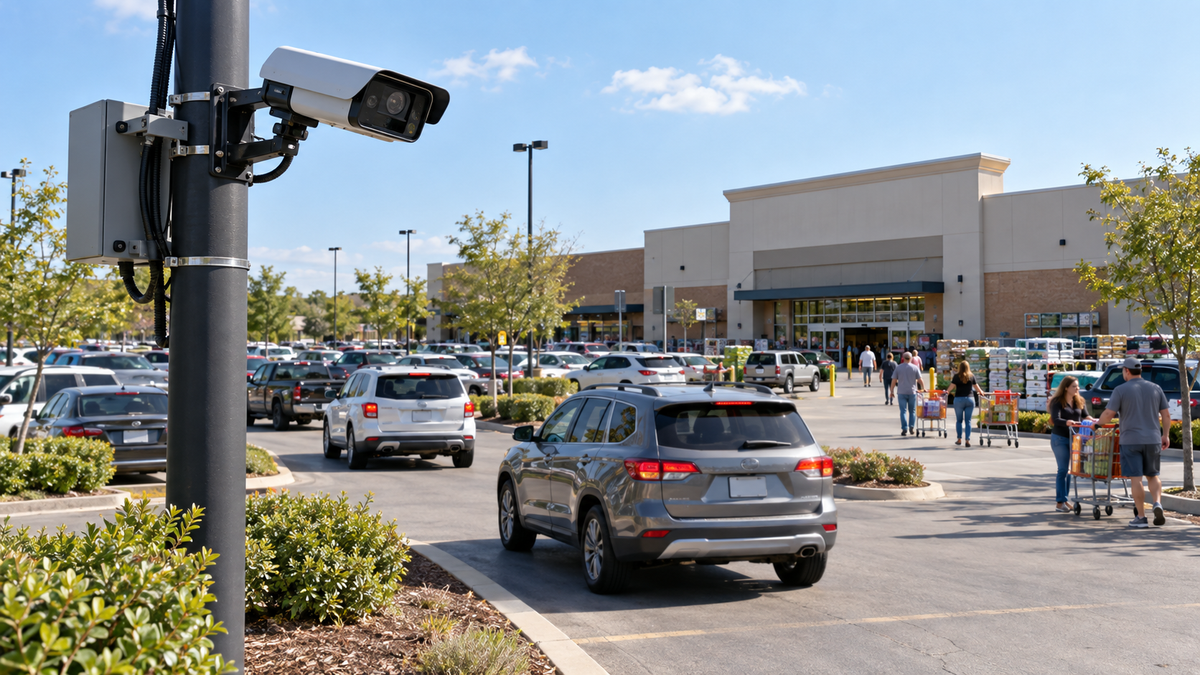
The complaint alleges that automated license-plate recognition cameras, primarily supplied by Flock Safety, were installed at the entrances and exits of Home Depot parking lots in California. Plaintiffs say the system captures a vehicle’s license plate, make, model, color, location and time of arrival, then sends that information to a searchable database.
The plaintiffs say Home Depot’s public policy does not meet California’s requirements for explaining how the data is collected, retained and shared. They also allege the system gives law-enforcement agencies broad access to the information.
Those are allegations, not court findings. Home Depot has asked the court to dismiss the claims. No judge has ruled that the company owes shoppers money.
What Home Depot says the cameras are for
Home Depot does not hide the fact that it may use license-plate readers. Its official ALPR policy says the company may use the systems where permitted by law for fraud prevention, security and asset protection.
The policy says trained and authorized employees or contractors may access the information. It also says Home Depot will not sell, share or transfer the data outside the company except in limited circumstances, including work performed by service providers, protection of people or property, compliance with legal requirements and cooperation with law enforcement.
The company says it keeps ALPR information for as long as necessary for those purposes. On a corporate page, Home Depot says it does not grant federal law enforcement access to its license-plate readers.
That creates the central dispute. Home Depot describes a security system with restricted access. The plaintiffs describe a much broader surveillance network. The lawsuit has not resolved which description will withstand legal scrutiny.
Where the $2,500 number comes from
California’s ALPR law allows a person harmed by a knowing violation to bring a civil action. The law says a court may award actual damages, with liquidated damages of at least $2,500, along with possible punitive damages, legal fees and other relief.
The plaintiffs are asking for that statutory amount for people they say were harmed. That request is the source of the viral number.
It is not a settlement offer.
Before money could reach shoppers, the plaintiffs would have to overcome Home Depot’s defenses, establish that the law was violated and satisfy the requirements for proceeding as a class, unless the parties reach a settlement first. Any settlement would still require court approval and an official notice process.
A post saying “Home Depot owes you $2,500” turns a requested remedy into a completed result. The case is nowhere near that point.
What shoppers should do now
There is nothing to file today. Be cautious with websites, ads or social posts asking for a license-plate number, driver’s-license image, banking information or a fee to “join” this case. An official class-action claim process would identify the court, the case, the settlement administrator and the filing deadline.
The privacy question is still worth taking seriously. A license plate may be visible in public, but a searchable record of where a vehicle appeared and when can reveal far more than a single glance in a parking lot.
TAJ has seen the same need for precision while examining what grocery loyalty programs know about shoppers and Walmart’s promise not to price customers personally. The technology can be real, the concern can be legitimate and the viral version can still be wrong.
The Home Depot lawsuit deserves attention. The imaginary $2,500 check does not deserve your personal information.