
A Chase Software Bug Delayed Payments Beyond Chase
A Chase software bug slowed transactions on November 16. Here’s how the delays reached other banks and what to check before retrying a payment.
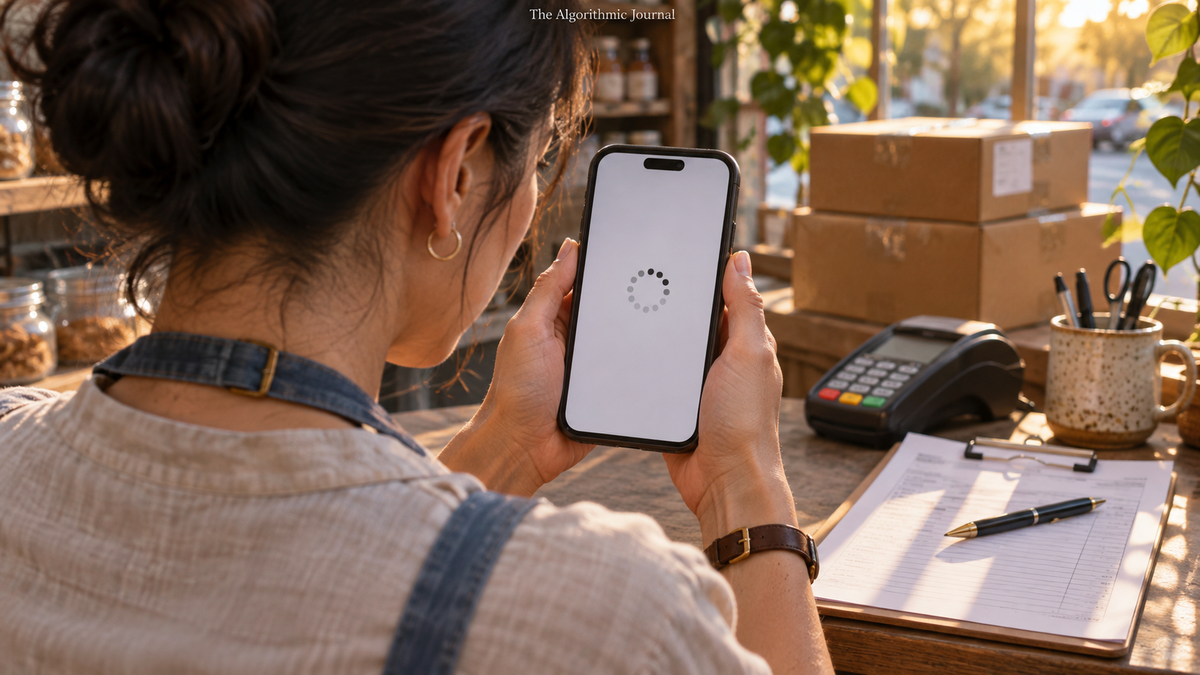
The payment you sent on Monday could be late even if your bank’s app opened just fine. A software problem at JPMorgan Chase slowed some transactions on Nov. 16, and Chase said the delay could reach customers at other banks when their transactions involved Chase.
That distinction got lost in the first wave of outage reports. Customers named Chase, Bank of America, Wells Fargo and Zelle when reporting trouble. Those reports described what people were seeing on their screens. Chase’s statement identified where a confirmed problem began, and why the name on the app could differ from the name of the bank experiencing the technical failure.
What Chase confirmed
Chase told The Associated Press that a software bug in hardware it operates caused a temporary disruption. The bank said the issue was unrelated to a cyberattack. It also told MarketWatch that some transactions were taking longer than usual and that customers still had access to their accounts and funds. Some customers nevertheless reported trouble with specific services, and Chase displayed an in-app notice saying some features were temporarily unavailable.
Chase told The Washington Post it hoped to resolve the issue by the end of Monday. That was a target the bank gave while work was underway. The timing of any individual delayed transfer remained a separate question.
Why other bank names appeared
U.S. Bank told the AP that its own systems were operating, while customers sending or receiving Zelle payments involving another financial institution could see a delay. Zelle’s operator said its network was operational and that problems at financial institutions could slow payments for some users. Bank of America said its Zelle payments were operating normally, according to MarketWatch. Wells Fargo appeared in customer reports, which by themselves do not establish the cause or scope of any issue there.
Think of a hypothetical payment from a customer at one bank to a Chase customer. The sender might open their own app, see a balance and submit the payment. The recipient might still be waiting. The sender’s bank could therefore show up in a complaint even if its own systems were operating. That example illustrates Chase’s description of how a delay could spread. It does not establish what happened to any particular payment.
What to check if a payment is missing
Start with the transaction itself. In your bank’s official app or website, look for its status, the amount, the recipient and any confirmation number. If the app is unavailable or the status remains unclear, contact your bank through its official website or the number on your card. If someone is waiting for money, tell them when you sent it and what status your bank displayed.
Before sending a second payment, check whether the first one went through. A delay can leave the sender and recipient looking at different information, and trying again can create a duplicate if the first transfer later completes. If a bill is due, ask the biller how it handles a delayed payment and keep the confirmation for your records.
Monday’s takeaway is practical. When a payment stalls, the app where you first notice the problem can only tell you so much. The transaction status and your bank’s confirmation are what matter when deciding whether to wait, call or try again.