Why NFL Coaches Keep Calling the Defense Everyone Hates
Fans call prevent defense cowardly. Coaches call it protecting a lead. The strategy works by trading harmless yards for precious time, until cautious play calling turns into surrender.
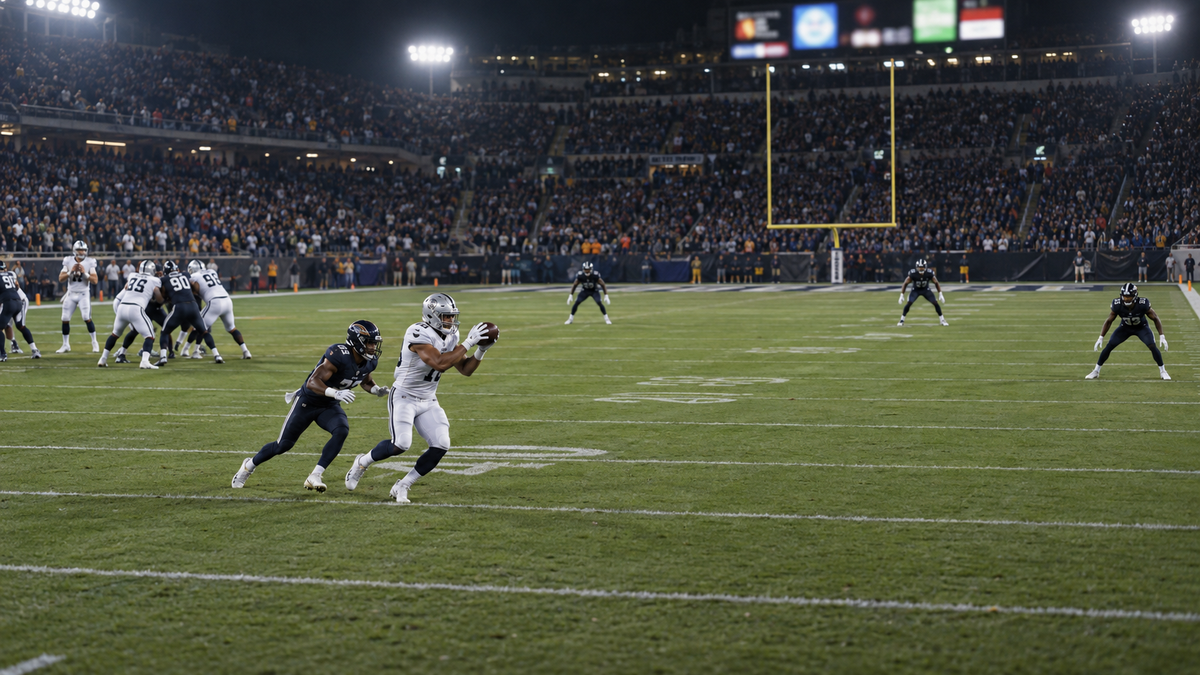
Fans call it cowardly. Coaches call it protecting a lead. The prevent defense looks terrible right up until it does exactly what it was designed to do.
By Marcus "Marc" Reynolds | Beyond the Score
Few things make football fans angrier than watching a winning team suddenly stop playing the defense that built the lead.
The cornerbacks retreat. The safeties line up somewhere near the parking lot. The quarterback completes an easy pass for 12 yards.
Then another.
Everyone watching screams the same thing: Stop playing prevent defense.
The coaches already know you hate it.
They call it anyway.
New to the game? Start with TAJ’s beginner’s guide to how football works.
The Goal Has Changed
For most of the game, the defense is trying to stop the offense from gaining yards and scoring points.
Late in a game, the real opponent may be the clock.
If a team leads by 10 points with two minutes remaining, allowing a six-yard completion in the middle of the field is not necessarily a failure. The offense gained yards, but it also used valuable seconds and moved no closer to the quick touchdown it desperately needs.
The defense is willing to lose small battles to avoid losing the game on one deep pass.
That is the bargain.
It Is Designed to Look Bad
Prevent defense usually places more defenders deep and keeps the action in front of them.
That creates space underneath. Quarterbacks happily take the easy completions, and television viewers watch the ball move down the field with almost no resistance.
It feels like the defense is collapsing.
Sometimes it is actually controlling how the offense advances.
A short completion followed by a tackle inbounds can help the winning team. A 50-yard touchdown cannot.
The defense is not trying to make every play fail. It is trying to make the offense use several plays, avoid the sideline, and drain the clock.
So Why Does It Fail So Often?
Prevent defense becomes dangerous when coaches use it too early or become too passive.
If the pass rush cannot pressure the quarterback, receivers eventually find openings. If defenders miss tackles, a harmless short pass becomes an explosive gain. If the offense reaches the sideline repeatedly, the clock stops and the entire strategy begins falling apart.
The worst versions give the quarterback unlimited time while defenders protect patches of grass instead of challenging receivers.
That is when “protecting the lead” starts looking like surrendering it slowly.
Fans Are Wrong and Also Completely Right
Fans are wrong when they treat every easy completion as proof that prevent defense is failing.
They are right when they sense that fear has replaced aggression.
There is a difference between forcing an offense to waste time and simply allowing it to march into scoring range. Good late-game defense understands the score, the clock, the opponent’s timeouts, and how many possessions remain.
Bad late-game defense just backs up and hopes.
The prevent defense is not automatically cowardly. Used correctly, it makes the offense spend the one resource it cannot recover.
Time.
But when a coach calls it too early, rushes nobody, and gives away the sideline, fans have every right to be furious.
The problem is not that prevent defense exists.
The problem is that some coaches start preventing far too soon.